PLYSAND20 & PLYSAND50
Ultra Fine Silica Play Sand
.


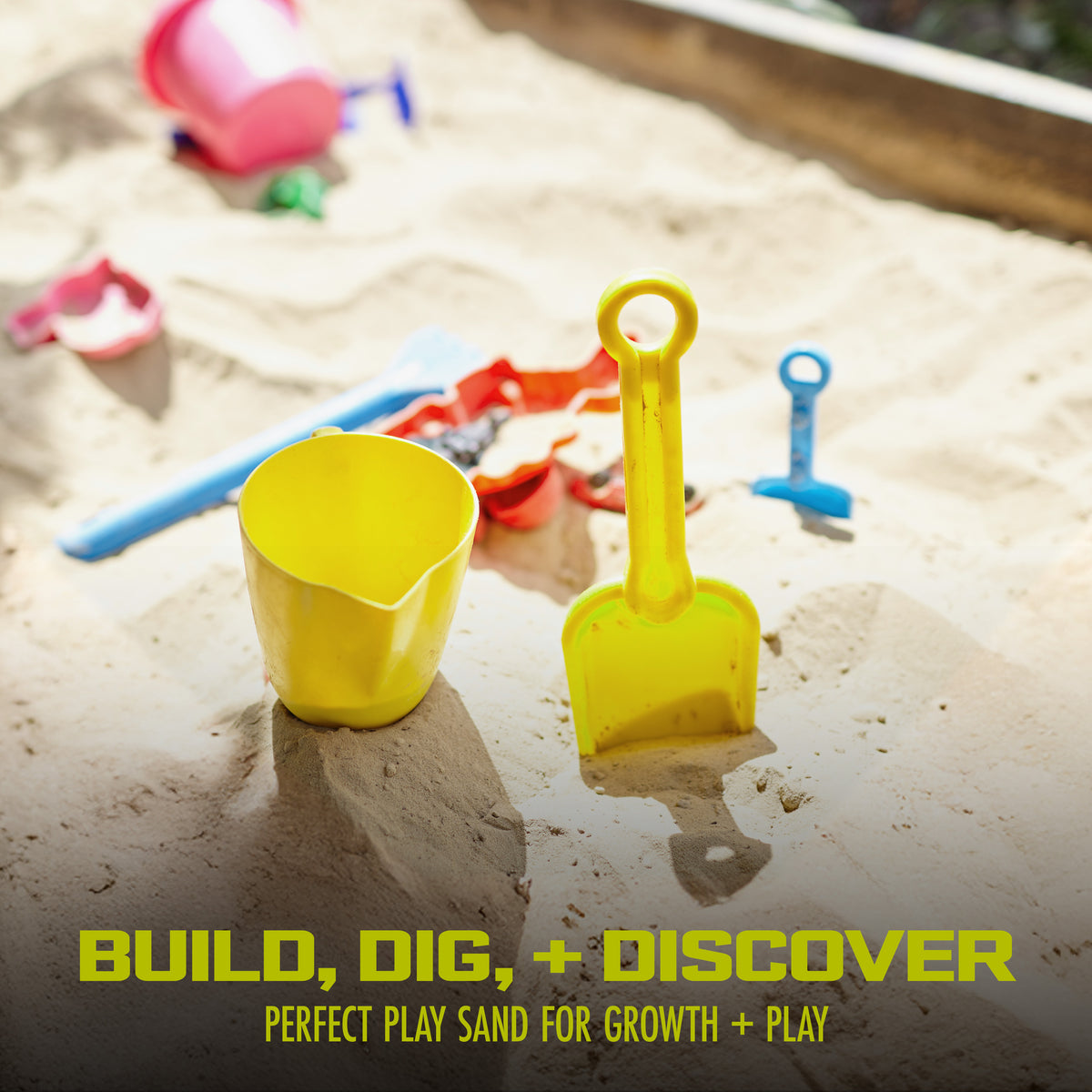
Meet the Ultra Fine Silica Play Sand
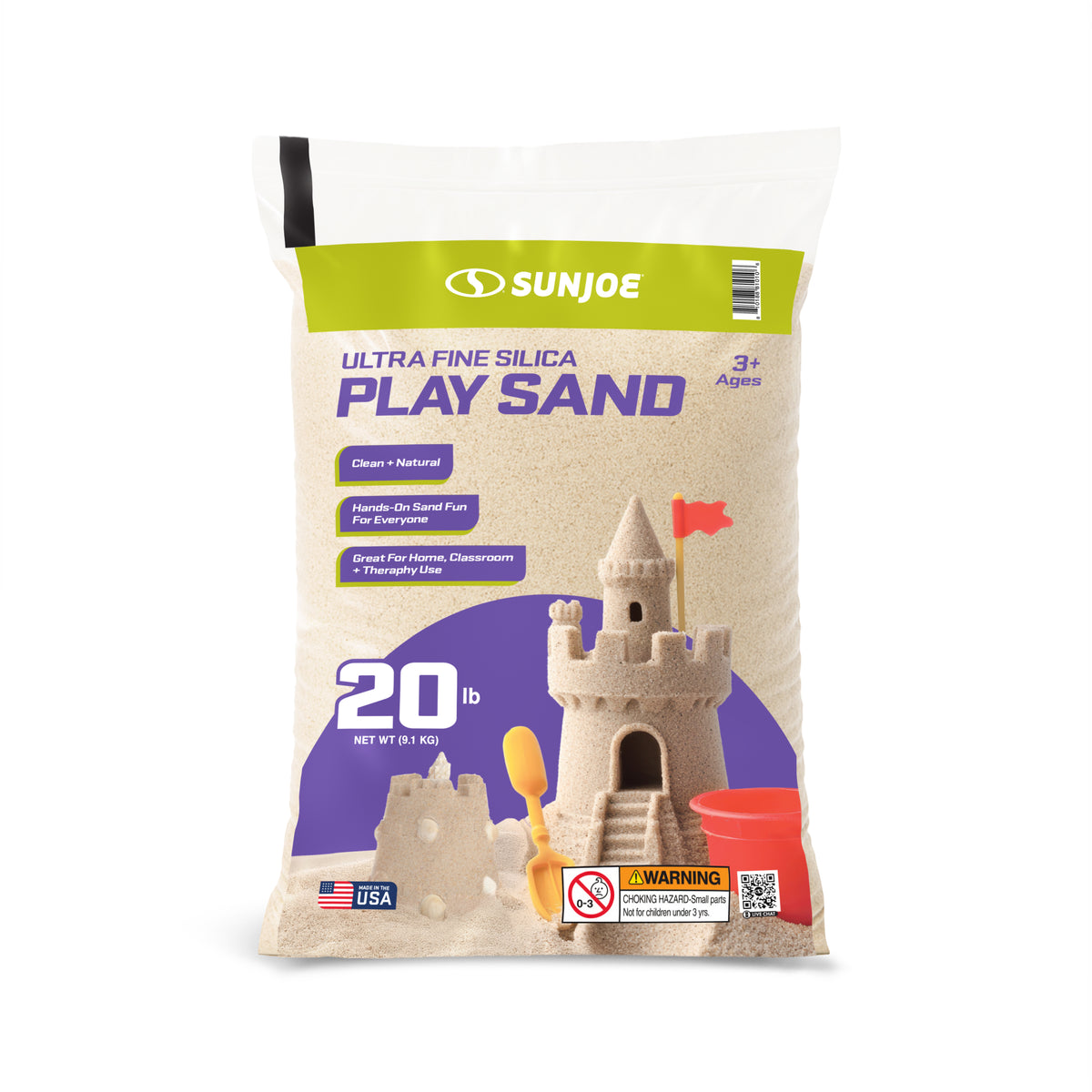
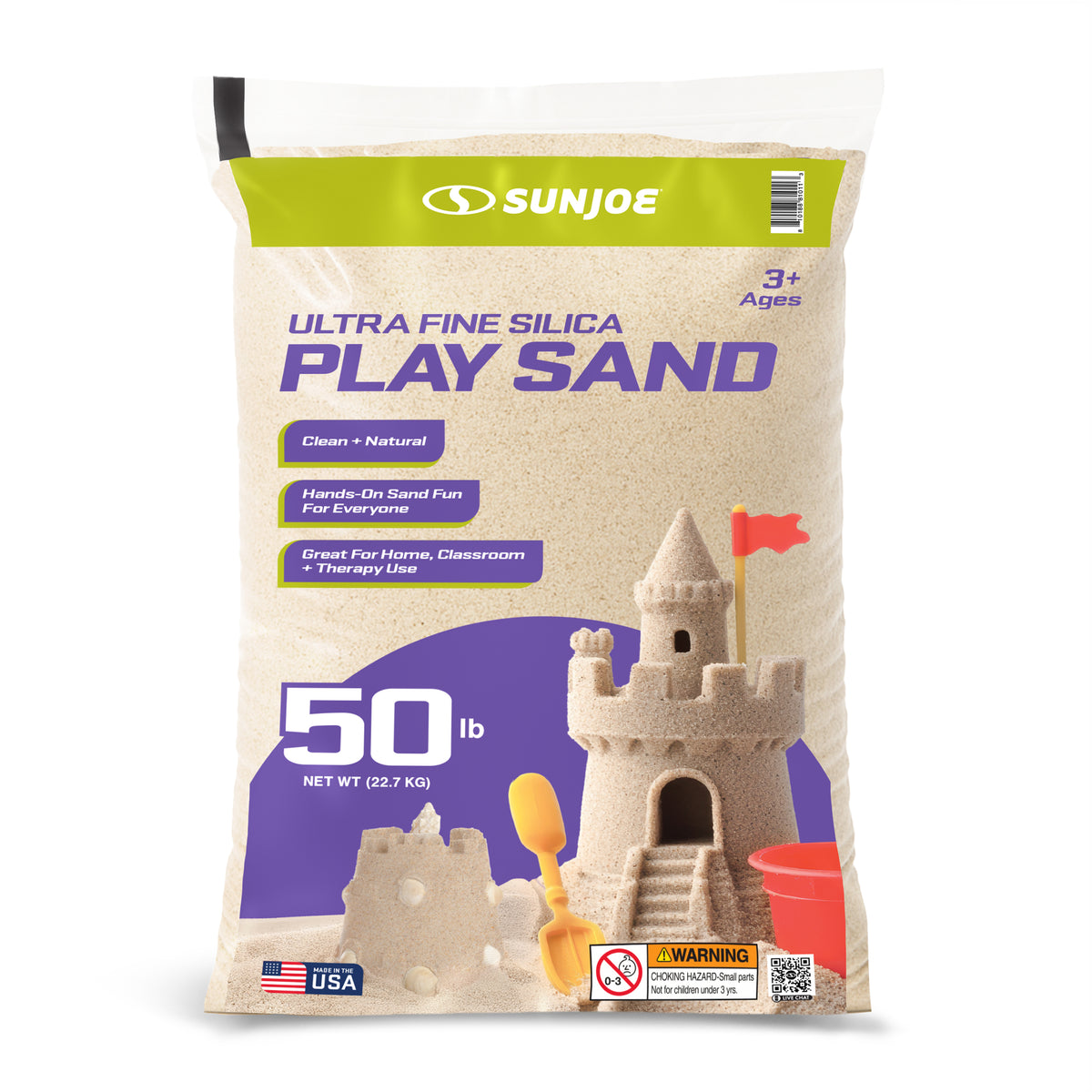

Choose Your Size
| Model | PLYSAND20 |
| Weight | 20 lbs (9.1 kg) |
| Format | Resealable bag |
| Best For | Small sandboxes, sensory bins, indoor projects, aquariums |
| Ideal Quantity | Starter bags, top-ups, small installations |
| Model | PLYSAND50 |
| Weight | 50 lbs (22.7 kg) |
| Format | Resealable bag |
| Best For | Full sandboxes, large sensory tables, gardens, ongoing projects |
| Ideal Quantity | Full installations, bulk value, long-term use |
Why It Stands Out
Quality & Purity
Ultra Fine Grain
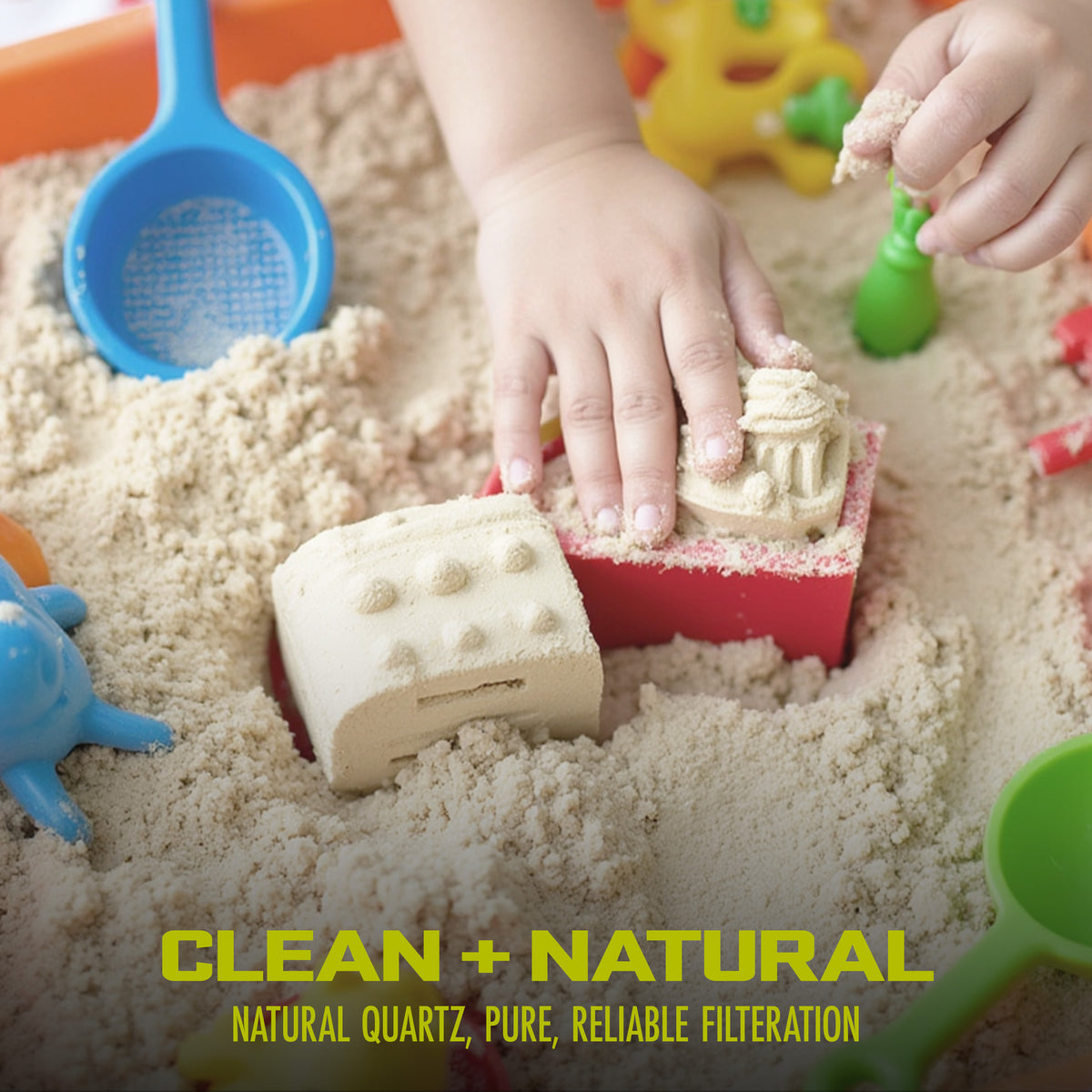
Specially refined to a consistent ultra-fine particle size — smooth to the touch, easy to mold, and satisfying for sensory play.
Natural White Silica
Premium natural white silica sand, meticulously processed and washed for cleanliness and purity throughout every bag.
Dust-Minimized
Processed to minimize airborne dust — reducing mess and making it more comfortable for extended indoor and outdoor use.
Safety & Sensory Benefits
Safe for All Ages
Designed for safe play and learning — suitable for children, adults, therapy sessions, and sensory development activities.
Developmental Benefits
Encourages tactile exploration, fine motor skill development, and imaginative play in educational and therapy environments.
Smooth & Moldable
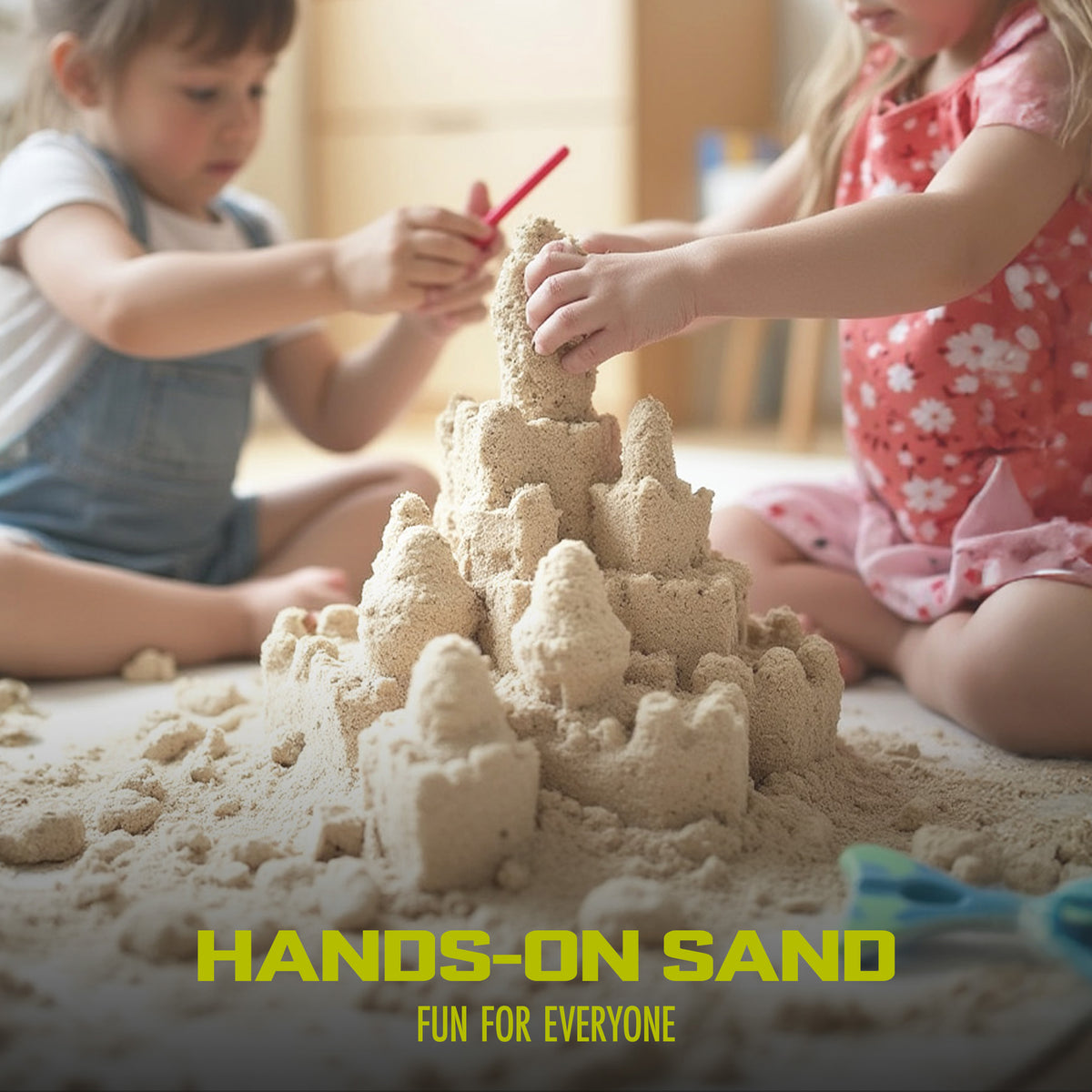
Consistent fine texture is ideal for molding, sculpting, digging, and scooping — great for sandcastles and creative projects.
Versatility & Convenience
Multi-Use
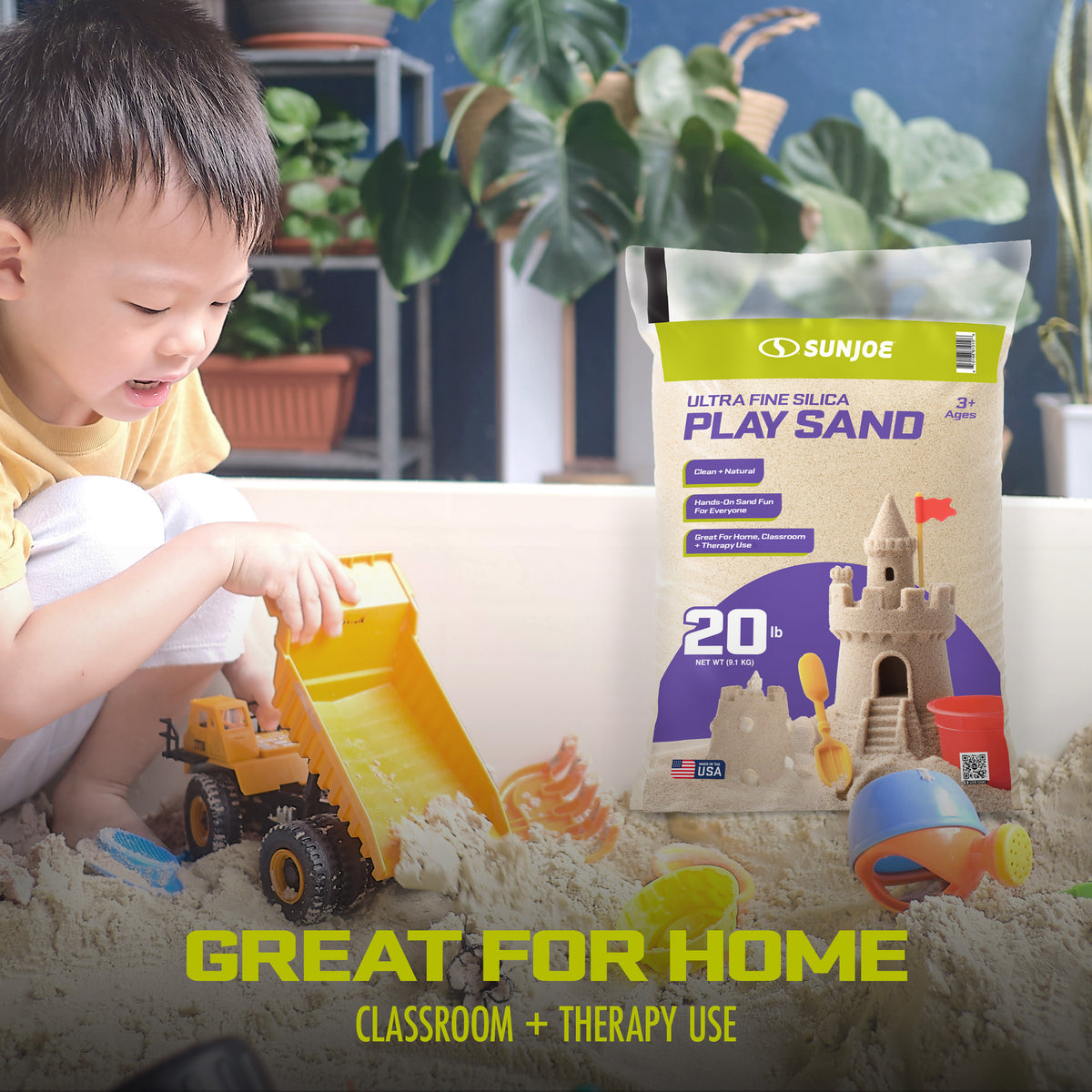
Suitable for sandboxes, sensory tables, therapy rooms, aquariums, gardens, art projects, weighted toys, and more.
Two Size Options
Available in 20 lb. (PLYSAND20) for smaller needs and 50 lb. (PLYSAND50) for larger installations and bulk value.
Indoor & Outdoor
Clean enough for indoor sensory tables and bins, durable enough for outdoor sandboxes and garden landscaping.
Technical Specifications
| Specification | PLYSAND20 (20 lb.) | PLYSAND50 (50 lb.) |
|---|---|---|
| Model Number | PLYSAND20 | PLYSAND50 |
| Bag Weight | 20 lbs (9.1 kg) | 50 lbs (22.7 kg) |
| Sand Type | Ultra Fine Silica (natural white) | |
| Grain Size | Ultra fine — consistent particle size | |
| Color | Natural white / light beige | |
| Texture | Smooth, soft, moldable | |
| Dust Level | Dust-minimized | |
| Processing | Washed and refined for purity | |
| Intended Use | Play, sensory, therapy, garden, aquarium, art | |
| Not Suitable For | Sandblasting applications | |
| Storage | Dry, well-ventilated area | |
| Warranty | No Warranty - Consumable Item | |
Uses & Applications
Sandboxes — outdoor and indoor play areas for children of all ages
Sensory Tables & Bins — tactile exploration for early childhood development
Therapy & Wellness — calming sensory spaces, sand therapy, and relaxation environments
Art & Craft Projects — sand art, terrariums, sand mandalas, and decorative displays
Aquariums — natural sand substrate for freshwater and brackish fish tanks
Gardens & Potted Plants — soil amendment, drainage layer, and succulent top dressing
Classroom Activities — educational sandbox play, science experiments, and sensory learning
Weighted Toys & Comfort Items — fine sand for filling weighted lap pads and sensory tools
Landscaping & Décor — decorative ground cover, zen gardens, and pathway edging
Safety
General Safety Guidelines
- Supervise young children during play — keep sand away from eyes, nose, and mouth
- Wash hands thoroughly after handling, especially before eating or touching the face
- Do not allow children to ingest sand — if ingested, contact Poison Control at 1-800-222-1222
- Keep sand dry and covered when not in use to prevent contamination from animals, insects, or moisture
- If using indoors, ensure adequate ventilation and sweep or vacuum any loose sand from floors after use
Silica Dust Notice
For Aquarium Use
- Rinse sand thoroughly with clean water before adding to any aquarium to remove any remaining fine particles
- Allow water to fully clear before introducing fish or other aquatic life
- This sand is inert and will not alter water chemistry for most freshwater applications — test water parameters before introducing sensitive species
For Garden & Plant Use
- When mixing into potting soil, use as a drainage amendment — typically 10–30% sand by volume
- Avoid using as a sole growing medium — this sand does not contain nutrients
Setup & First Use
For Sandboxes & Sensory Tables
- Ensure the sandbox or container is clean and dry before adding sand
- Pour sand gradually — avoid pouring from excessive height to minimize dust generation
- For outdoor sandboxes, fill to a depth of at least 6 inches for satisfying digging and molding play
- Level the surface with a wide flat tool or simply let children spread it naturally during play
- Cover the sandbox with a lid or cover sheet when not in use to prevent animal contamination and moisture
For Aquariums
- Measure the required depth — typically 1–2 inches of substrate for most freshwater setups
- Rinse the sand in a bucket with clean water, swirling and draining repeatedly until the water runs clear
- Add rinsed sand slowly to a dry or partially filled tank using a cup or plate to diffuse it gently
- Fill the tank slowly to avoid disturbing the sand bed — use a plate or bag to buffer the water flow
- Allow 24–48 hours for water to clarify fully before adding fish
For Gardens & Potted Plants
- Mix sand into existing soil at a ratio of 1 part sand to 3 parts potting mix for improved drainage
- For succulents and cacti, use up to 50% sand in the mix
- As a top dressing, apply a thin layer (0.5–1 inch) over the soil surface around plants
Storage
- Store unused sand in a dry, well-ventilated area away from moisture and humidity
- Keep the bag sealed or transfer to an airtight container to maintain purity and prevent moisture absorption
- Do not store in direct sunlight for extended periods — UV exposure does not harm the sand but may degrade the bag
- If sand becomes wet in storage, spread it out in a dry area to fully dry before reuse — do not use clumped or wet sand in aquariums
- For outdoor sandboxes, always cover with a weather-resistant lid when not in use to keep the sand clean and dry
Troubleshooting
Possible Causes
- Moisture exposure during storage or use
- Sandbox not covered when not in use
Solutions
- Spread sand in a thin layer in a dry, sunny area and allow to dry completely
- Break up clumps with a rake or shovel while drying
- Always cover sandbox when not in use
- If heavily contaminated, replace the sand
Possible Causes
- Sand not rinsed sufficiently before adding to tank
- Sand disturbed during filling or by fish activity
Solutions
- Wait 24–48 hours — fine particles will settle naturally
- Run the filter continuously to speed up clarification
- For future use, rinse more thoroughly (until water runs fully clear)
- Perform a partial water change if cloudiness persists beyond 72 hours
Possible Causes
- Moisture and organic matter causing mildew or mold
- Animal contamination in outdoor sandbox
Solutions
- Spread sand outdoors in sunlight to dry and air out
- If mold or animal contamination is suspected, discard and replace
- Always use a cover on outdoor sandboxes
Possible Causes
- Pouring from excessive height
- Very dry or windy conditions
Solutions
- Pour slowly and close to the surface — keep the bag low
- Lightly mist with water to suppress dust before pouring
- Wear a dust mask if dust is unavoidable (windy outdoor conditions)
- Pour in a well-ventilated area or outdoors
Possible Causes
- Sandbox left uncovered outdoors
- Insects attracted by moisture or food debris in sand
Solutions
- Always cover the sandbox with a tight-fitting lid when not in use
- Remove all food and drink from the sandbox area during play
- Rake and inspect sand before each play session
- If infestation is heavy, replace the sand entirely
Possible Causes
- Sand is too dry — dry sand does not hold shape
Solutions
- Lightly dampen the sand with water — damp (not wet) sand holds shapes perfectly
- Mix until evenly moistened throughout, then mold
- Add water gradually — overwatered sand also loses moldability
Frequently Asked Questions
What is the difference between PLYSAND20 and PLYSAND50?
Is this sand safe for children to play with?
Can I use this sand in my aquarium?
How much sand do I need for my sandbox?
- Small sandbox (2 ft × 2 ft, 6 in. deep) — approx. 50–75 lbs (1–2 bags of PLYSAND50)
- Standard sandbox (4 ft × 4 ft, 6 in. deep) — approx. 150–200 lbs (3–4 bags of PLYSAND50)
- Large sandbox (6 ft × 6 ft, 8 in. deep) — approx. 400+ lbs (8+ bags of PLYSAND50)
- Sensory table or bin — typically 20–50 lbs (1 bag of PLYSAND20 or PLYSAND50)