FLTSAND50
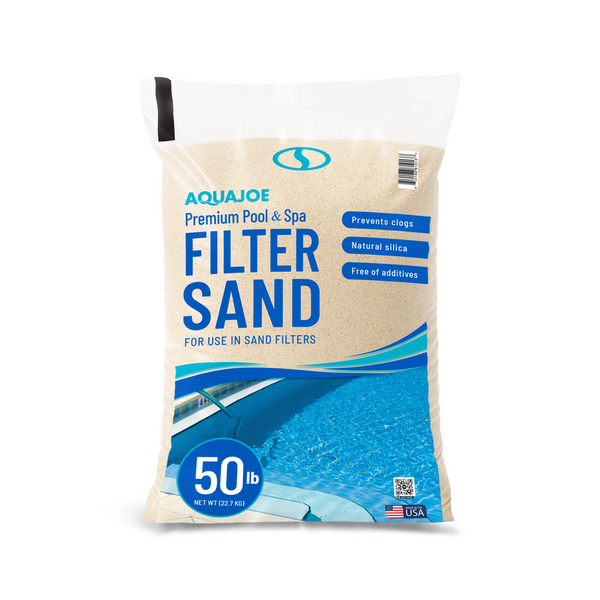
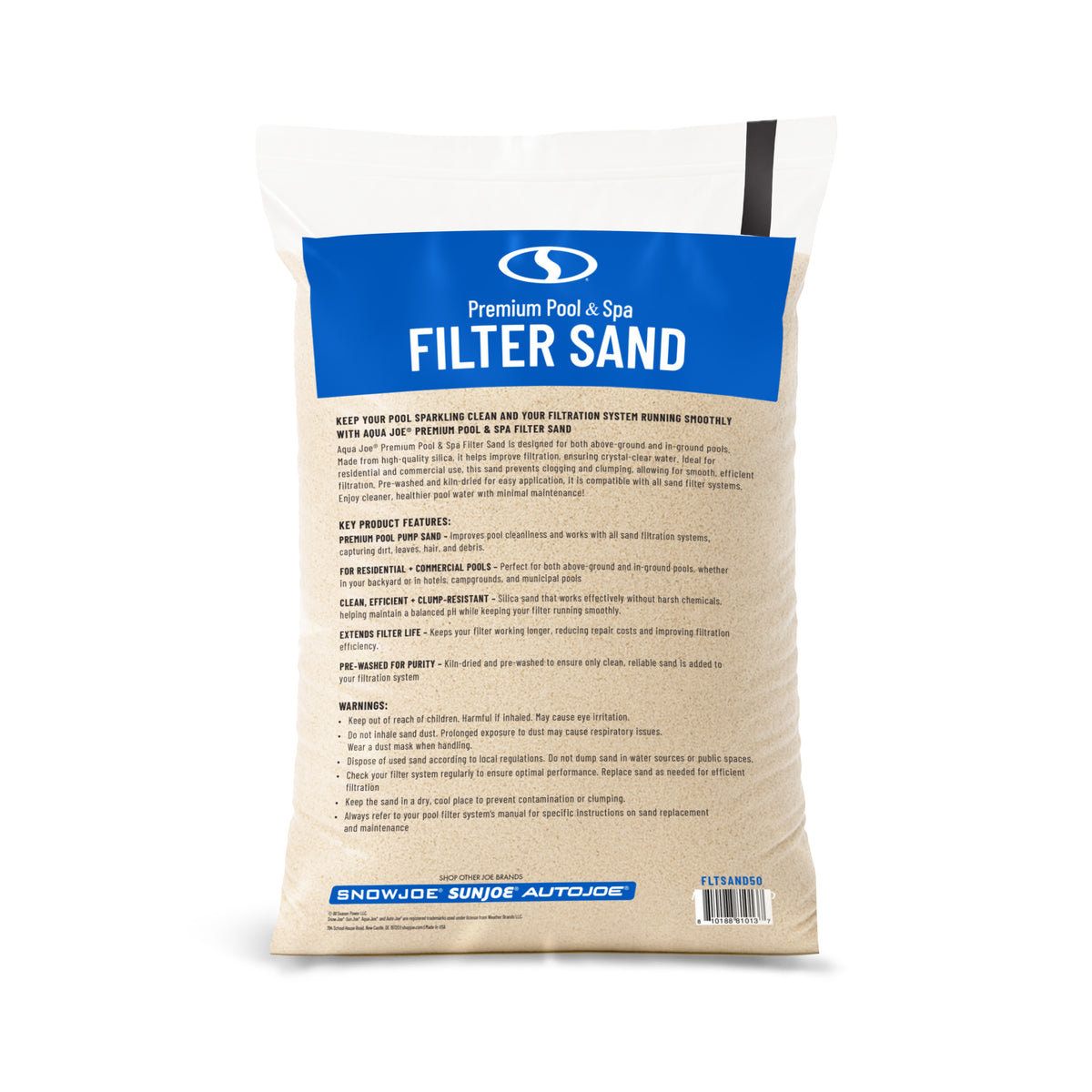
Pool Filter Sand

Meet the FLTSAND50

Key Product Details
Why It Stands Out
Filtration Performance
Designed for Pool Filtration
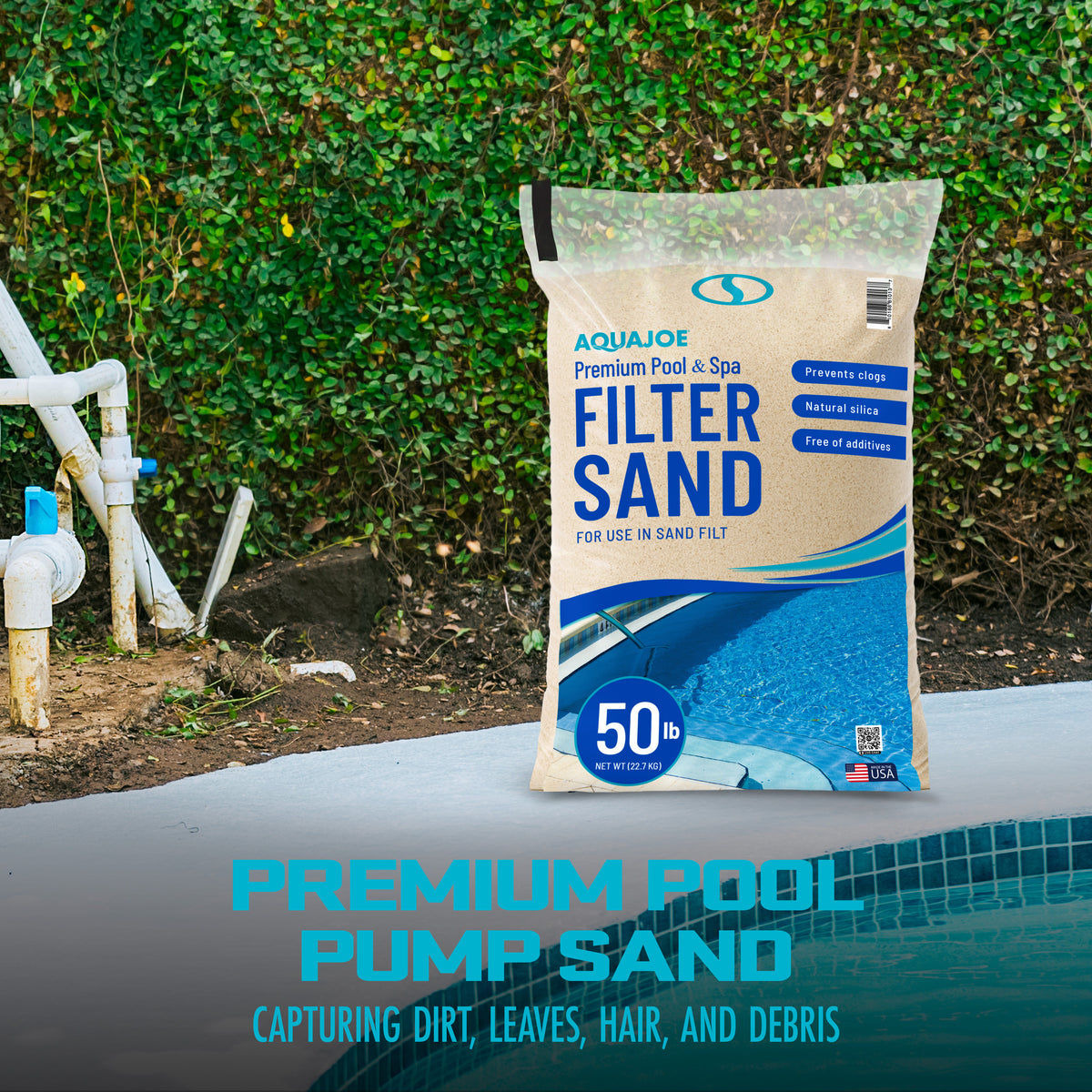
Specifically intended for swimming pool sand filter systems — helps trap dirt, debris, and small particles to keep pool water cleaner and clearer throughout the season.
Uniform Grain Sizing
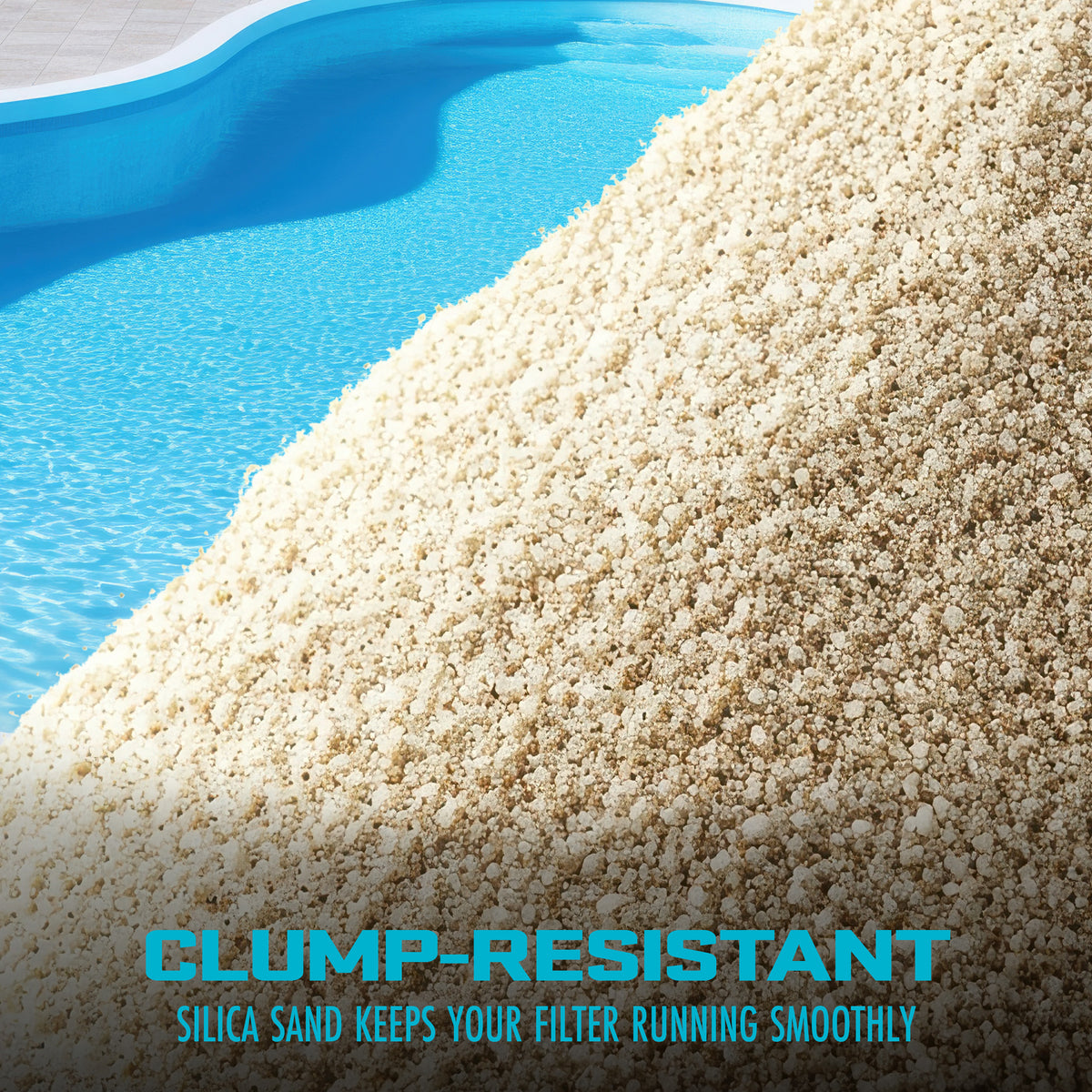
Processed for consistent, uniform grain sizing — promotes even filtration across the entire sand bed and reduces channeling inside the filter tank that can reduce efficiency.
Consistent Water Flow
Designed to support consistent water circulation without excessive flow restriction — helping the pool pump maintain efficient performance during normal operation.
Quality & Durability
Low Dust Formula
Washed and processed to minimize dust during installation — making it cleaner and easier to handle compared to untreated or unprocessed sand.
Long-Lasting Media
Durable filtration media designed for routine pool maintenance use — maintains filtration efficiency over time with proper care and regular backwashing.
50 lb Bulk Supply
A 50 lb bag provides a substantial supply of filter media — suitable for initial filter loading or topping up an existing sand bed depending on filter tank capacity.
How Sand Filtration Works
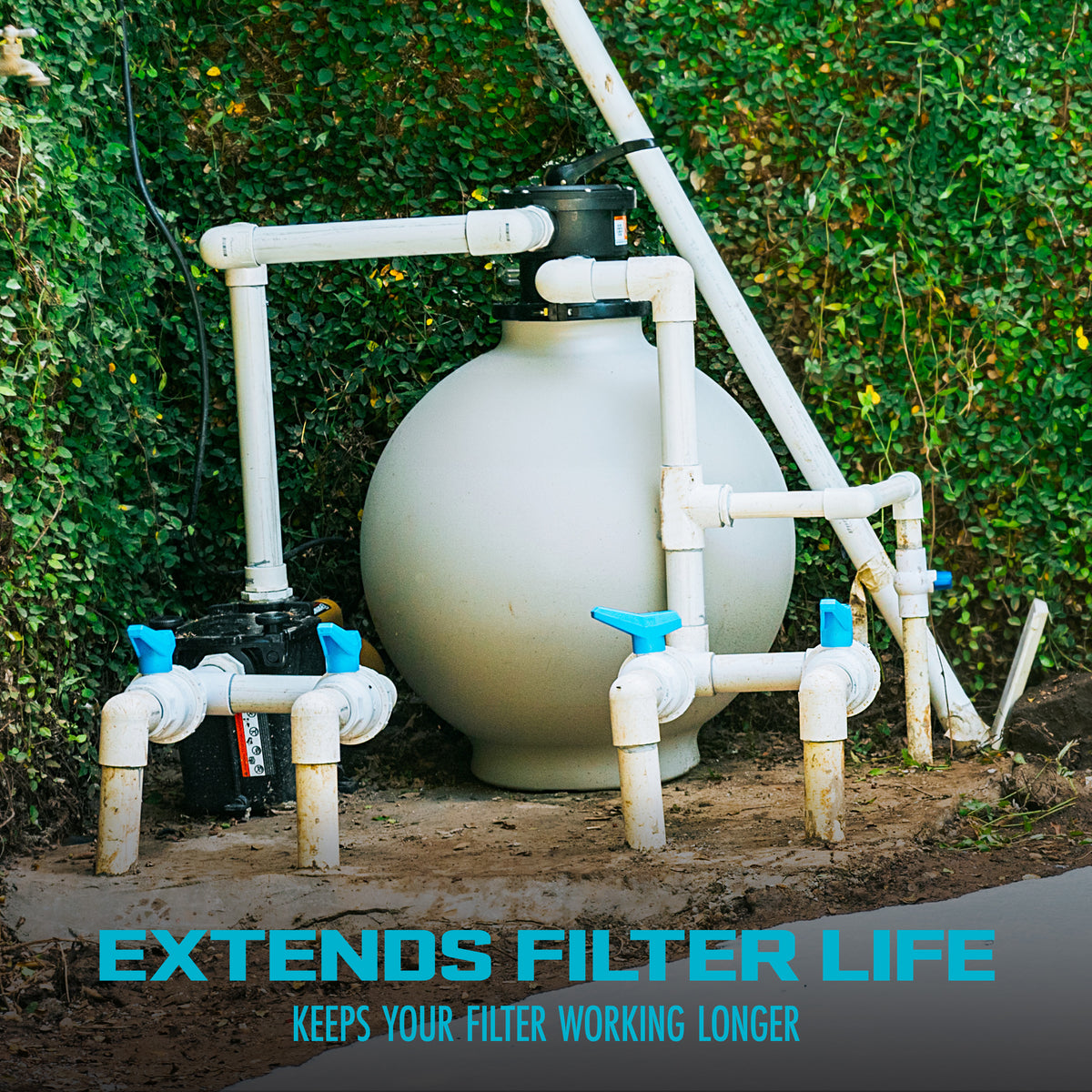
Pool water is continuously cycled through the sand filter tank. As water passes through the sand bed, particles and debris are physically trapped between the sand grains — allowing clean water to pass through and return to the pool.
Technical Specifications
| Specification | Details |
|---|---|
| SKU / Model | FLTSAND50 |
| Product Type | Pool Filter Sand |
| Net Weight | 50 lbs |
| Grain Type | Uniform filter-grade sand |
| Processing | Washed and processed — low dust |
| Use Case | Swimming pool sand filter systems |
| Compatibility | Compatible sand filter systems only |
| Application | Residential pool filtration media |
| Saltwater Safe | Yes — if pool uses a compatible sand filter system |
| Warranty | Consumable product — no standard warranty |
What's in the Box
- 1 × 50 lb bag of Aqua Joe® FLTSAND50 Pool Filter Sand
Installation Guide — Step by Step
Always power off and depressurize the filter before servicing · Follow filter manufacturer instructions
-
Power off the filtration system
Turn off the pool pump completely. Release the air relief valve on top of the filter to depressurize the tank before opening any components.
-
Remove old sand (if replacing)
Remove old or spent filter media from the tank according to your filter manufacturer's instructions. Use a shop vacuum or scoop to remove sand from the tank. Dispose of old sand appropriately — do not return it to the pool.
-
Protect the standpipe before adding sand
Before pouring in new sand, cover or cap the standpipe (center pipe) inside the filter tank. This prevents sand from entering the pipe and being returned to the pool. Half-fill the tank with water first to cushion the sand and protect the laterals at the bottom.
-
Add filter sand to the tank
Carefully pour the FLTSAND50 sand into the filter tank — filling to the recommended level specified in your filter manufacturer's manual. Do not overfill. Most residential sand filters require between 50–300 lbs of sand depending on tank size.
-
Reassemble all filter components
Reinstall the filter head, multiport valve, and any other components. Ensure all connections are secure and properly tightened before restarting the system.
-
Run a backwash cycle before normal use
Set the filter to BACKWASH and run for 2–3 minutes, then RINSE for 30 seconds. This flushes any fine dust or loose particles from the new sand before it enters the pool. Then set back to FILTER for normal operation.
Maintenance & Care
Backwash the filter when the pressure gauge reads 8–10 PSI above the normal operating pressure — or at least once a week during active pool season. Backwashing flushes trapped debris from the sand and restores filtration performance.
Check the filter pressure gauge frequently. A steadily rising pressure indicates the sand is capturing debris effectively — and signals when backwashing is needed. Pressure that never rises may indicate channeling or bypassing in the sand bed.
After each backwash cycle, run a RINSE cycle for 30–60 seconds before returning to normal FILTER mode. This reseats the sand bed and prevents disturbed sand from being pushed back into the pool.
Over time, oils, sunscreen, algae, and organics can coat the sand grains and reduce filtration efficiency. Use a sand filter cleaner product (added during backwash) at the start and end of each pool season to maintain sand bed performance.
Pool filter sand typically lasts 3–5 years with proper maintenance. Replace when backwashing no longer restores performance, pressure cycles are unusually short, or water clarity consistently declines despite proper water chemistry.
Troubleshooting Guide
Possible Causes
- Sand is dirty, clogged, or spent
- Sand bed has channeling — water bypassing the sand
- Insufficient filtration run time per day
Solutions
- Perform a backwash cycle — run until water in the sight glass runs clear
- If backwashing doesn't restore performance, sand may need replacement
- Increase daily filtration run time — most pools require 8–12 hours per day
Possible Causes
- Improper filtration cycle — pump not running long enough
- Water chemistry imbalance
- Fine sand dust entering pool from new installation
Solutions
- Check and correct water chemistry — pH, chlorine, and alkalinity
- Run the filtration system continuously for 24+ hours
- For new sand, perform a full backwash and rinse before switching to filter mode
Possible Causes
- Sand bed is clogged with debris — needs backwashing
- Filter overfilled with sand restricting flow
Solutions
- Perform a backwash cycle and recheck pressure afterward
- Confirm the sand level is not above the manufacturer's recommended fill line
- If pressure remains high after backwash, inspect the multiport valve for issues
Possible Causes
- Damaged or broken filter laterals at the bottom of the tank
- Filter overfilled — sand level too high
- Incorrect sand grain size for the filter model
Solutions
- Power off the pump and inspect the filter laterals — replace any broken ones before resuming
- Confirm sand level does not exceed the manufacturer's fill line
- Verify that FLTSAND50 is compatible with your specific filter model and lateral design
Possible Causes
- High debris load — heavy leaf fall, algae, or pool use
- Sand bed nearly spent — poor debris-holding capacity
Solutions
- Increase backwash frequency during periods of heavy debris
- Use a pool skimmer or net to remove large debris before it reaches the filter
- Consider replacing the sand if the filter bed is 3–5+ years old and performance is declining
Possible Causes
- Channeling in the sand bed — water finding a path around the sand
- Filter underfilled — not enough sand to create proper resistance
Solutions
- Confirm sand level meets the manufacturer's minimum recommended fill depth
- Perform a backwash and rinse cycle to rebed the sand and eliminate channels
- If channeling persists, the sand bed may need to be removed and reloaded evenly